
Oak Barrel Char Levels 1–4: How to Choose for Your Whiskey Project
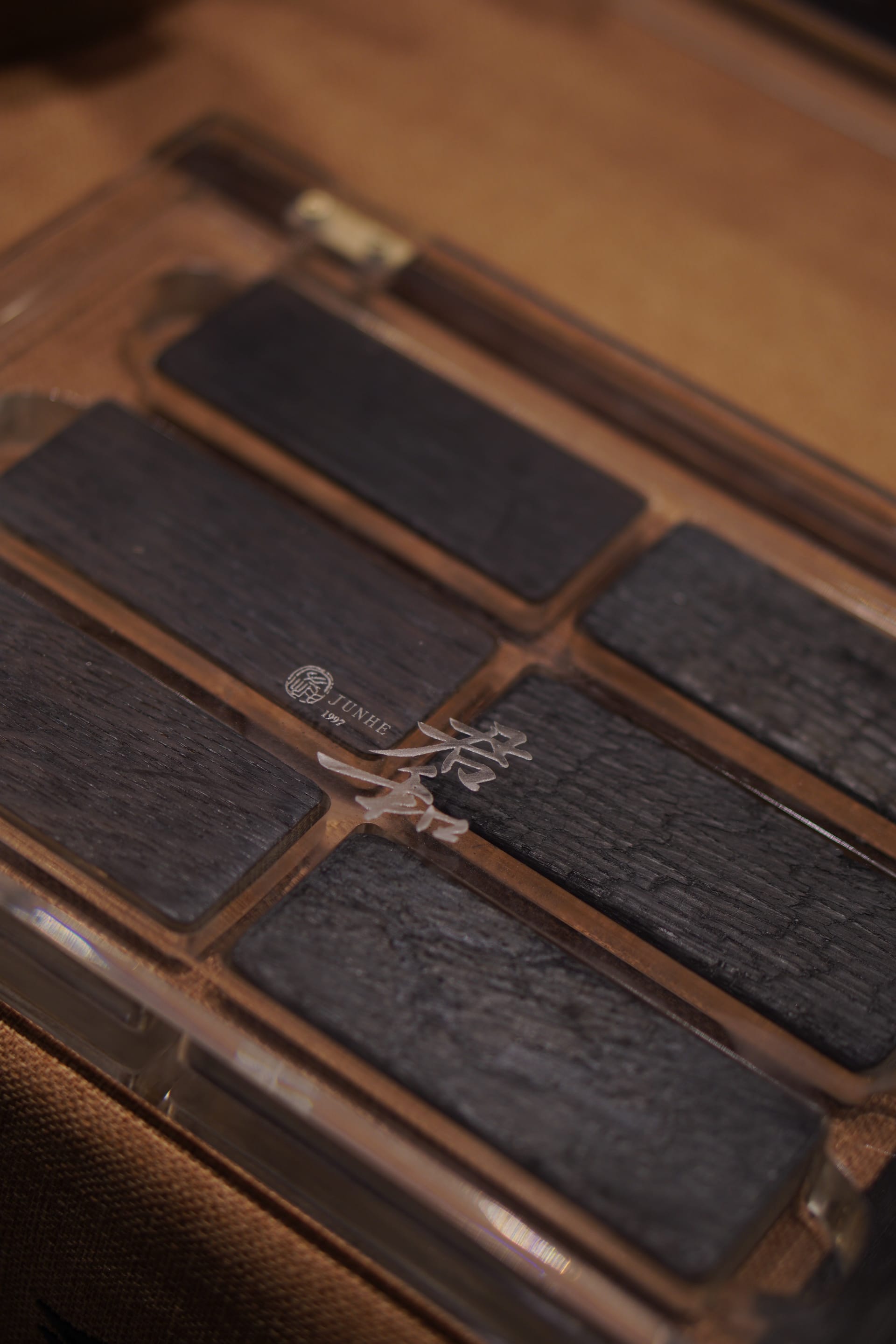
The char level on an oak barrel describes an interior heat treatment. It helps specify how the barrel is made, but it does not rank the quality of the barrel or tell you exactly how the finished whiskey will taste. Choosing level 4 simply because it is the highest number can miss what your project actually needs.
For a mini oak barrel, start with the spirit, the intended use and the manufacturer's treatment options. Then choose a specification you can evaluate in a sample. Understanding what levels 1–4 communicate makes that conversation more useful.
What the char number describes
Charring burns the inside surface of an oak barrel with flame, creating a carbonised layer. Cooperages commonly describe treatments using levels 1 through 4, with the lighter end of the range progressing towards a heavier char. Level 4 is often called alligator char because of its cracked surface appearance. Kelvin Cooperage's explanation of charring describes the four levels alongside its toasting process.
Read the number within the supplier's specification. It is not a measurement of sweetness, smoke or maturation speed. A brief description of the treatment and a representative sample are more informative than a number standing alone.
A practical guide to levels 1 through 4
| Level | General position in the range | What to clarify with the supplier |
|---|---|---|
| Char 1 | Lighter char treatment | Whether a separate toast profile is part of the specification |
| Char 2 | Between the lighter and heavier treatments | What distinguishes this option from levels 1 and 3 in this product |
| Char 3 | A heavier treatment used in commercial whiskey production | How the chosen oak and barrel construction accompany the char specification |
| Char 4 | Heavier char, commonly called alligator char | What the treatment means for the specific model, rather than assuming maximum flavour |
This table is a reading guide, not a flavour guarantee or a manufacturing recipe. For a concrete commercial example, Heaven Hill describes using level 3 barrels for most of its American whiskey. That demonstrates a producer's deliberate choice, not a universal recommendation for every spirit or barrel size. Read Heaven Hill's cooperage explanation.
Avoid choosing by a generic chart of burn times. A time quoted for another producer's process is not a specification for your barrel. Ask the supplier to identify the treatment being offered and retain that information with the sample.
Toasting and charring are separate details
Toasting uses controlled heating to develop the wood before the more intense surface burning associated with charring. A barrel can therefore be described by both a toast profile and a char level. Knowing only one can leave part of the treatment unspecified.
Independent Stave Company's Wave Stave barrel provides an example: it combines a medium-plus toast with char 1 and a particular internal stave shape. The description treats those features as a combination. It does not present the low char number as an absence of purposeful wood treatment. See the ISC barrel specification.
When comparing offers, ask whether a toast profile is included, separately selectable or not part of the product's specification. Use the supplier's terminology consistently so that the sample and later order refer to the same treatment.
Why more char does not automatically mean a better result
“Better” needs a target. A buyer hoping to retain a whiskey's existing character may judge a result differently from someone exploring a noticeable change in oak influence. The highest char number cannot make that decision for either person.
Charring is also more complex than a single intensity setting. In a 2025 experiment using charred oak pieces, researchers found that the way char formed affected measured compounds, while the temperature used to create the char did not directly predict those compounds. This was a laboratory setup, not a comparison of Junhe's four options, but it reinforces the need to evaluate the actual treatment and spirit together. Read the charring study.
Treat flavour descriptions as questions to explore. If a supplier associates a treatment with a particular aroma, ask which spirit and conditions that observation concerns. It is more useful to understand the context than to carry the same tasting description over to every possible fill.
Bring barrel size and construction into the choice
Junhe's 3L Mini Oak Whiskey Barrel lists customisable char levels from 1 to 4, with American white oak or Mongolian oak options. Its oak body is combined with glass viewing panels and stainless steel bands.
That construction matters when comparing it with a conventional all-wood barrel. A glass panel contributes no oak surface, and nominal capacity does not tell you the exact wood contact available to the liquid. Choosing the same char number as a large commercial cask does not reproduce that cask's complete maturation conditions.
Keep the questions separate: char level concerns the prepared wood; capacity and construction describe the vessel. Our article on whether mini oak barrels age whiskey faster explains why faster wood extraction is not a simple substitute for the whole maturation process.
Choose a sample around one useful comparison
Start by describing the whiskey and the purpose of the project. An already matured bottled whiskey and a distillery's new make spirit are different starting points. For a gift collection, the intended recipient and the clarity of the accompanying use instructions also belong in the discussion.
If you want to compare char options, keep the model, oak selection and starting spirit consistent where practical. Ask whether two otherwise comparable samples can be supplied with different char treatments. Record the agreed differences before evaluating them, so that a change in oak type does not quietly become part of a comparison intended to focus on char.
Use a reference portion of the starting whiskey and dated observations to guide your judgement. Colour alone should not decide the outcome, and a higher number should not create an expectation of a shorter fixed schedule. Follow the usage guidance confirmed for each sample.
Put the chosen treatment in the product brief
Before confirming a sample or order, bring together the model, oak option, char level and any specified toast treatment. Add the intended spirit and use, and keep the sample reference with the approved specification. This gives a later discussion a clear starting point if you want to adjust the design or repeat the order.
Unsure which treatment to evaluate first? Discuss your mini oak barrel project with Junhe. Share what you plan to put in the vessel and what you want to learn from the sample, so the available char options can be considered in context.
Let’s create something for your brand.
Considering a product for your brand? Discuss an existing original design or a new idea with our design and manufacturing team.
Discuss Your Project